
AI in Healthcare: Strategy, Governance, and the Board Imperative
Archive

NACD Nashville
Contact Us
NACD Nashville
programs@nashville.nacdonline.org
About The Event
April 16, 2026 | Owen Graduate School of Management at Vanderbilt University
As healthcare organizations seek to embed generative and agentic artificial intelligence (AI) into clinical, operational, and financial workflows, boards face new responsible AI governance and accountability mandates to realize value, meet regulatory obligations, and uphold brand integrity.
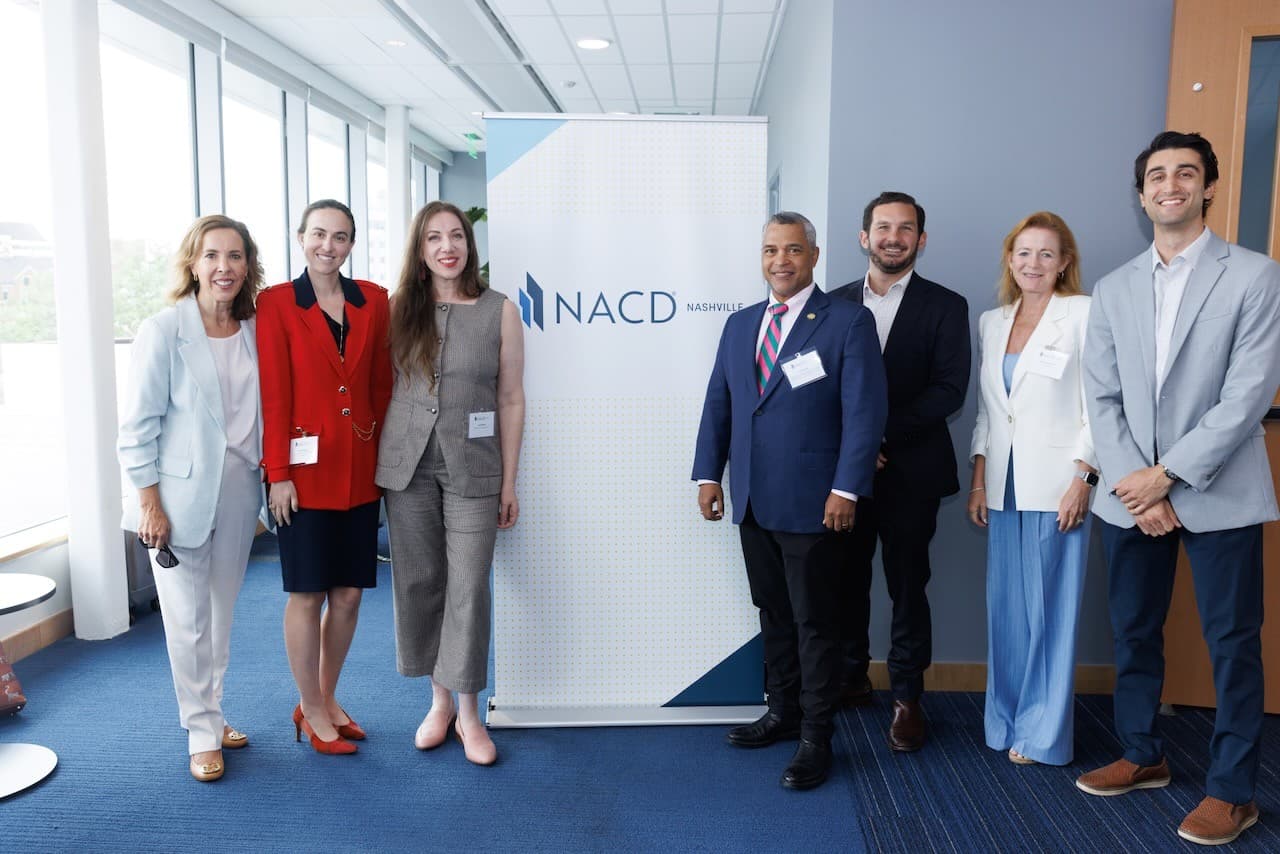
On April 16, NACD Nashville hosted an event designed for healthcare board directors at the Owen Graduate School of Management at Vanderbilt University, sponsored by Ernst & Young LLP. The program was designed to help directors inspire AI innovation, ask sharper questions of management, and support no-regret investments.
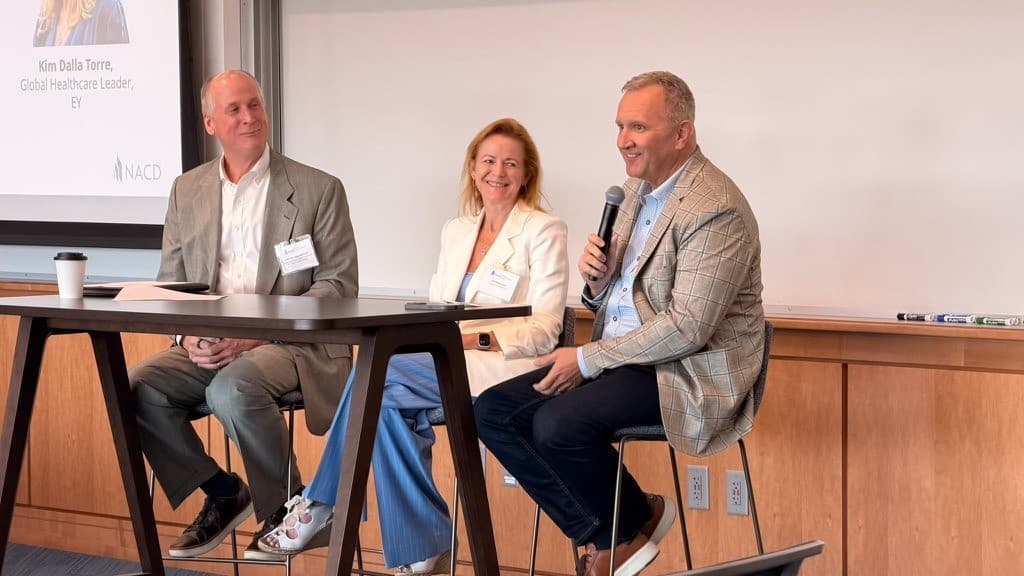
The discussion agenda highlighted:
- Board accountability in an agentic AI environment
- What changes when AI systems act, decide, and scale across the enterprise.
- Leadership and workforce readiness
- How AI is reshaping how work gets done—and what boards must oversee as human-AI collaboration expands.
- Regulatory uncertainty and board exposure
- What directors need to understand now about evolving healthcare AI regulation, including implications from the July 2025 America’s AI Action Plan.
- Scenario-based governance thinking
- EY Four Futures of AI to test governance, risk and value assumptions under different adoption and regulatory paths.
Agenda:
- Opening Discussion - 9:00-9:45 a.m. | From Generative AI to Agentic AI
- Healthcare organizations are moving rapidly from experimenting with generative AI to deploying agentic AI systems that can act autonomously across clinical and operational workflows. This conversation will explore how that shift is changing risk profiles, accountability models, and leadership expectations at the board level. Real‑world examples ground the discussion in what is already happening, not what is hypothetical. The focus is on how boards must rethink governance as AI agents work autonomously amongst the workforce.
- Greg Aaron, Global Vice President, Oracle Health
- Paul Connelly, NACD.DC, Board of Directors, Fortified Health Security (Moderator)
- Kim Dalla Torre, Global Healthcare Leader, EY
- Workforce Governance Panel - 9:45-10:45 a.m. | Governing and Leading the Evolving Workforce
- AI is fundamentally reshaping how work gets done in healthcare, introducing new models of human‑AI collaboration that demand active board oversight. The discussion centers on how leaders are governing accountability when decisions are increasingly shared between people and intelligent systems, and how boards are thinking about job fusion, role redesign, and leadership responsibility in this new environment. Speakers will explore the organizational changes required to responsibly integrate AI‑enabled capabilities across both clinical and non‑clinical workflows, without sacrificing trust, safety, or culture. The focus is on how boards can guide management through this transition, ensuring productivity gains are balanced with ethical deployment, workforce readiness, and long‑term enterprise resilience.
- Bobby Frist, CEO & Chair, HealthStream
- Apryl Childs‑Potter, CEO, Nashville Health Care Council (Moderator)
- India Mullady, Principal, Health Organization and People, Ernst & Young LLP
Break - 10:45-11:00 a.m.
- Regulatory Briefing - 11:00 a.m.-12:00 p.m. | The AI Policy Landscape Boards Can’t Ignore
- AI regulation in healthcare is evolving quickly, with shifting federal, state and international dynamics creating uncertainty for boards. The focus is on what directors need to understand now: what is settled, what is still emerging, and where oversight risk is most acute. The conversation highlights implications of the July 2025 AI Action Plan and early regulatory signals that boards should be tracking into 2026. The goal is clarity, not legal theory, with an emphasis on risk management implications.
- Mark Williams, Vanderbilt AI Law Lab (Moderator)
- Heather Meade, EY Washington Council (Virtually)
Lunch - 12:00-12:30 p.m.
- Interactive Board Exercise - 12:30-2:30 p.m. | The Four Futures of AI
- Directors examine how innovation, risk, and value considerations could evolve for business under different societal and regulatory conditions. Using EY’s Four Futures of AI framework, this interactive discussion stress‑tests assumptions rather than predicting outcomes. Structured prompts guide directors through oversight questions tied to accountability, investment, governance, and operations. Insights surface that remain relevant regardless of which future ultimately materializes.
- Gail Babes, AI Healthcare Technology Leader, EY
- Vipin Gopal, NACD.DC, Independent Director, Concentra
Break - 2:30-2:45 p.m.
- Closing Reflections - 2:45-3:45 p.m. | From Insight to Action
- Key themes from the day converge around what boards should do differently as AI becomes a standing governance issue. The discussion emphasizes practical oversight questions, near‑term actions, and how committees can stay engaged as AI capabilities scale. The focus is on momentum, turning insight into sustained board discipline. Attendees leave with a clearer sense of how to guide management and govern AI responsibly over time.
- Eric Johnson, Ralph Owen Dean Emeritus, Vanderbilt (Moderator)
- Mike Schlosser, Chief Transformation Officer, HCA
Speakers
Greg Aaron

Gail Babes

Apryl Childs-Potter
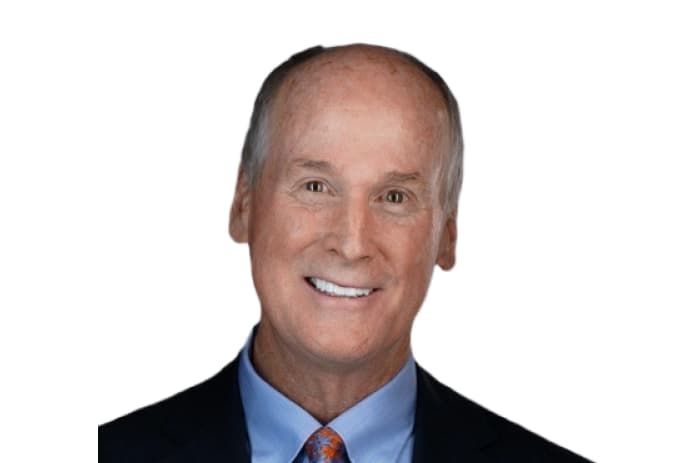
Paul Connelly, NACD.DC
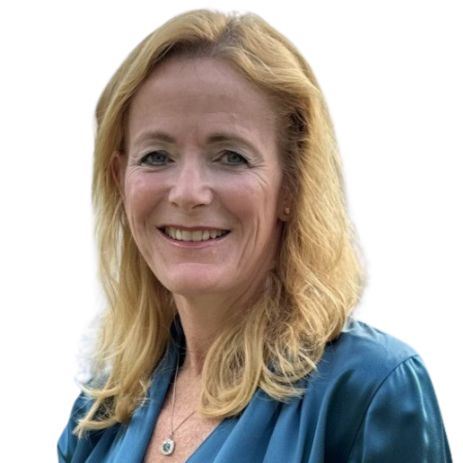
Kim Dalla Torre
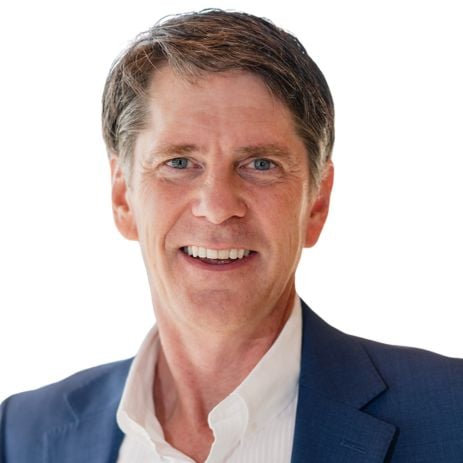
Bobby Frist
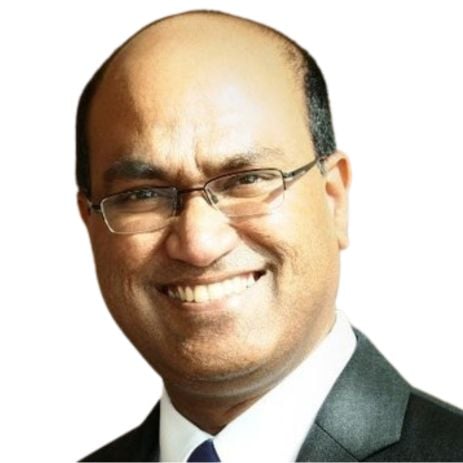
Vipin Gopal, NACD.DC
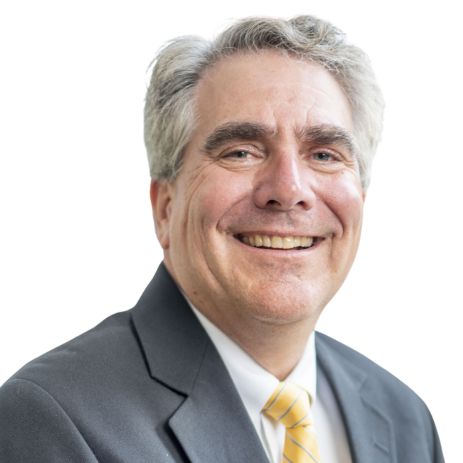
Eric Johnson

Heather Meade

India Mullady
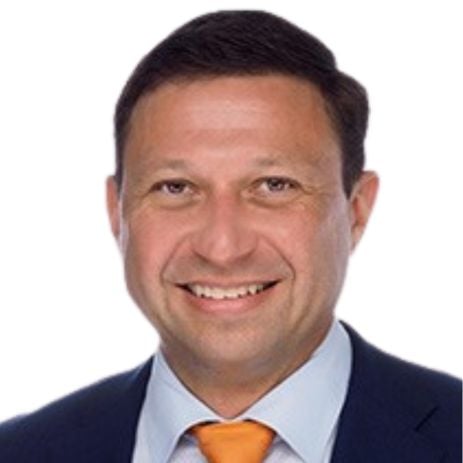
Mike Schlosser
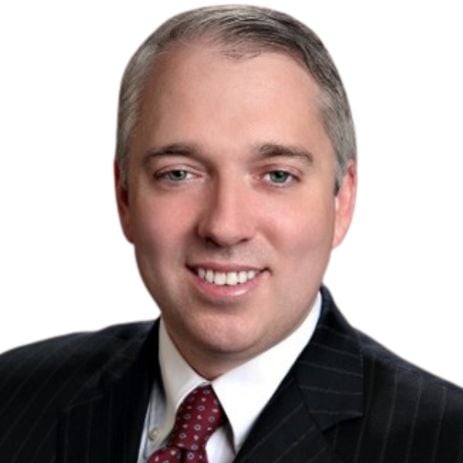
Josh Trusley
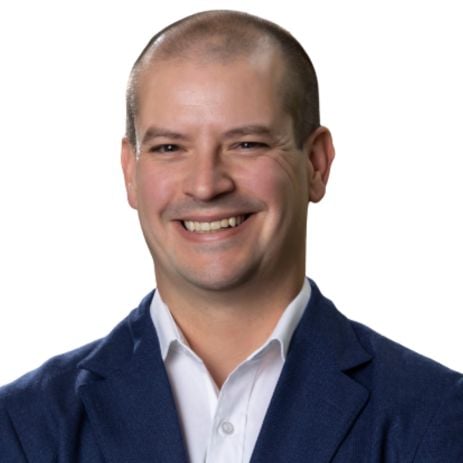
Mark Williams
NACD Nashville
Contact Us
NACD Nashville
programs@nashville.nacdonline.org
By registering for an NACD or NACD Chapter Network event, you agree to the following Code of Conduct.
| NACD and the NACD Chapter Network organizations (NACD) are non-partisan, nonprofit organizations dedicated to providing directors with the opportunity to discuss timely governance oversight practices. The views of the speakers and audience are their own and do not necessarily reflect the views of NACD. |