Cybersecurity
What Boards Should Know About Today’s Threat Actors

NACD Members Please Log In.


Chapters Near You
The Chapter Network is one of the most valuable benefits of NACD membership. It’s a coast-to-coast governance community for actively engaged directors looking to cultivate meaningful peer relationships.
Chapters Near You
The Chapter Network is one of the most valuable benefits of NACD membership. It’s a coast-to-coast governance community for actively engaged directors looking to cultivate meaningful peer relationships.
Governance Research
Governance Surveys
Directorship Magazine
Online Exclusive
Addressing Energy Market Volatility in the Boardroom
Key Points
This AI-generated summary, based on content on this page, was reviewed by NACD editors for accuracy. |
Energy company directors are grappling with significant geopolitical turbulence caused by tensions in the Middle East.
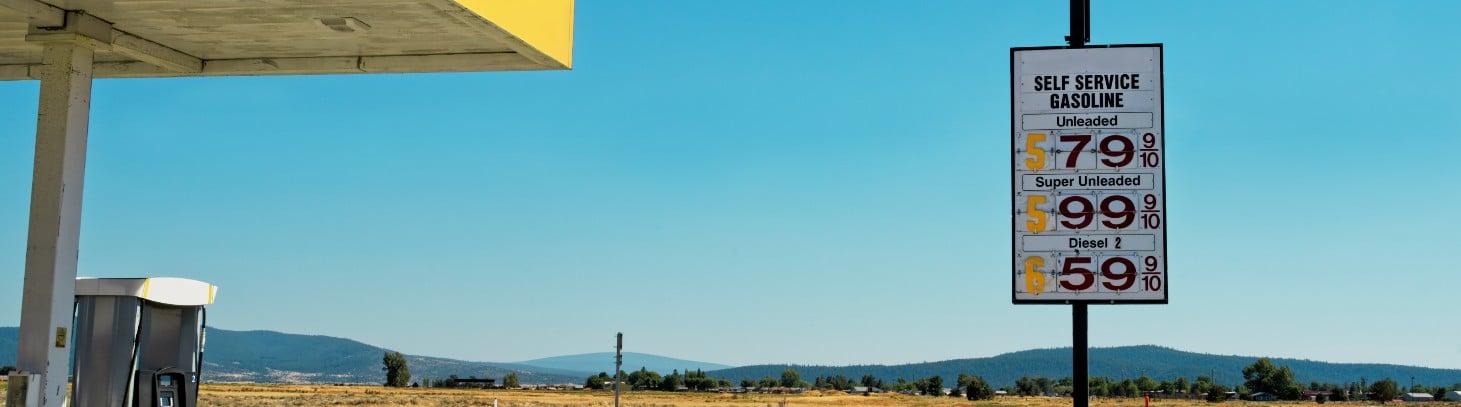
Global energy prices have soared since the start of the year, driven by an array of geopolitical events. The Iran war, for instance, has complicated access to the Strait of Hormuz, a critical supply route for oil and liquified natural gas. Meanwhile, the United Arab Emirates announced in April that it was leaving the Organization of the Petroleum Exporting Countries, or OPEC, a decision that The New York Times reported may ultimately “contribute to greater volatility” in oil prices by diminishing the organization's influence over global supply.
Domestically, the Trump administration has sought to rein in rising ...
Thank you for your interest in this page.

Noah Kirsch is a contributing writer for Directorship and Directorship Online.