

Beyond the Public Playbook: Governance in the Private Capital Era
Archive


NACD Texas TriCities
Contact Us
Email:
programs@texastricities.nacdonline.org
Phone:
346-250-2802
Jenn Cox
Executive Director
Mya Risner
Director of Marketing, Partnerships & Engagement
Chennya Lister
Chapter Administrator
Find a Chapter
About The Event
Virtual | May 14, 2026 | 9:00 AM - 10:15 AM CDT
On May 14, 2026, we hosted a virtual program on private company governance where directors gained a candid, experience-driven perspective on what it means to serve on a private company board today. Panelists Robert Greene, Michelle Lewis, and Emily Rollins drew on their firsthand board experience to help attendees understand the current private capital landscape, including the rise of private credit, growing default risks, and the governance implications of longer hold periods.
Directors deepened their understanding of capital structure oversight, the dynamics of working alongside founders and lead investors, and how the CEO-board relationship differs in a private setting. The conversation gave attendees a clearer picture of how strategy oversight works within a private equity investment thesis, how independent directors are identified and compensated, and what strong governance looks like across company stages. Attendees left with practical guidance on pursuing private company board opportunities and the mindset required to serve effectively.
Key Topics Covered
- Defining private capital and current market trends, including longer hold periods, AI's impact on company valuations, and companies working to recapitalize and stabilize
- The rise of private credit, growing default risks, and what directors of portfolio companies need to understand about capital structure
- Governance responsibilities on private company boards versus public company boards, including differences in cadence, oversight, and stakeholder dynamics
- Who sits around the private company board table and how to navigate relationships with founders, lead investors, independent directors, and debt holders
- The CEO-board relationship in private companies, including when and how to intervene
- Strategy oversight in a private equity context, balancing the firm's investment thesis with evolving market conditions
- The current state of ESG in private capital
- How private equity firms identify and select independent directors
- Director compensation structures on private company boards
- Best practices for evaluating director performance
- Term limits, retirement ages, and board formalization as companies approach IPO
- D&O insurance coverage for private company board members
Key Takeaways
- Capital structure literacy is a core director responsibility. Understanding not just the financial statements but the type, source, and terms of capital at work in a company is essential, especially as more companies rely on private credit with varying covenant structures and liquidity constraints.
- Governance standards are consistent across public and private boards, but the environment is not. Directors carry the same fiduciary duties regardless of ownership structure, but the dynamics around the table, the pace of involvement, and the relationship with management are meaningfully different in private settings.
- Do your homework before joining a private company board. Understanding the investors, the capital structure, the culture of the firm, and the dynamics among board members before accepting a seat is critical to protecting your reputation and ensuring the role is a good fit.
- Relationship-building with executive recruiters is a long-term investment. Directors seeking private company board opportunities should cultivate genuine relationships with search firm professionals, not just respond to individual searches, to stay visible and relevant in the market.
- Board involvement in private companies tends to be more hands-on. Particularly in smaller or earlier-stage companies, directors are expected to contribute their networks, industry expertise, and strategic perspective more actively and more frequently than in a typical public company setting.
- Know why you want to be on a board before pursuing it. Clarity of purpose helps directors make better decisions about which opportunities to pursue and how to show up once seated.
- D&O insurance is standard, but always ask. Directors should confirm coverage is in place and review their director agreement for indemnification language before joining any board.

Program Videos
Program Resources
- NACD Private Company Governance Resources
- NACD Quarterly Survey: Q1 2026 - Private Company
- How Independent Private Company Directors Can Be Game Changers
- Unlock Value Through Governance in Private Equity Portfolio Companies
Panelists

Robert Greene

Michelle Lewis
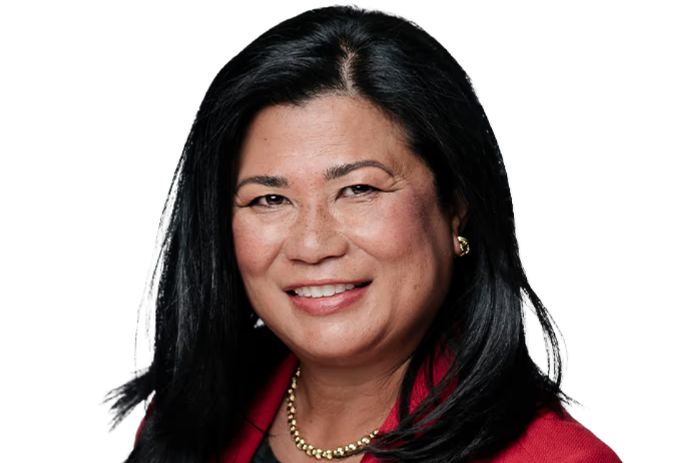
Emily Rollins
NACD Texas TriCities
Contact Us
Email:
programs@texastricities.nacdonline.org
Phone:
346-250-2802
Jenn Cox
Executive Director
Mya Risner
Director of Marketing, Partnerships & Engagement
Chennya Lister
Chapter Administrator
Find a Chapter
By registering for an NACD or NACD Chapter Network event, you agree to the following Code of Conduct.
| NACD and the NACD Chapter Network organizations (NACD) are non-partisan, nonprofit organizations dedicated to providing directors with the opportunity to discuss timely governance oversight practices. The views of the speakers and audience are their own and do not necessarily reflect the views of NACD. |