

Governance Surveys
Directorship Magazine

Online Exclusive
Cultivating Authentic Relationships: An Interview with Herman Bulls
Hear an experienced director’s thoughts on which personal qualities are vital to establishing relationships that can help companies withstand a dynamic business environment.
How does a leader's humility and genuine willingness to learn impact the overall effectiveness and culture of a board or organization?
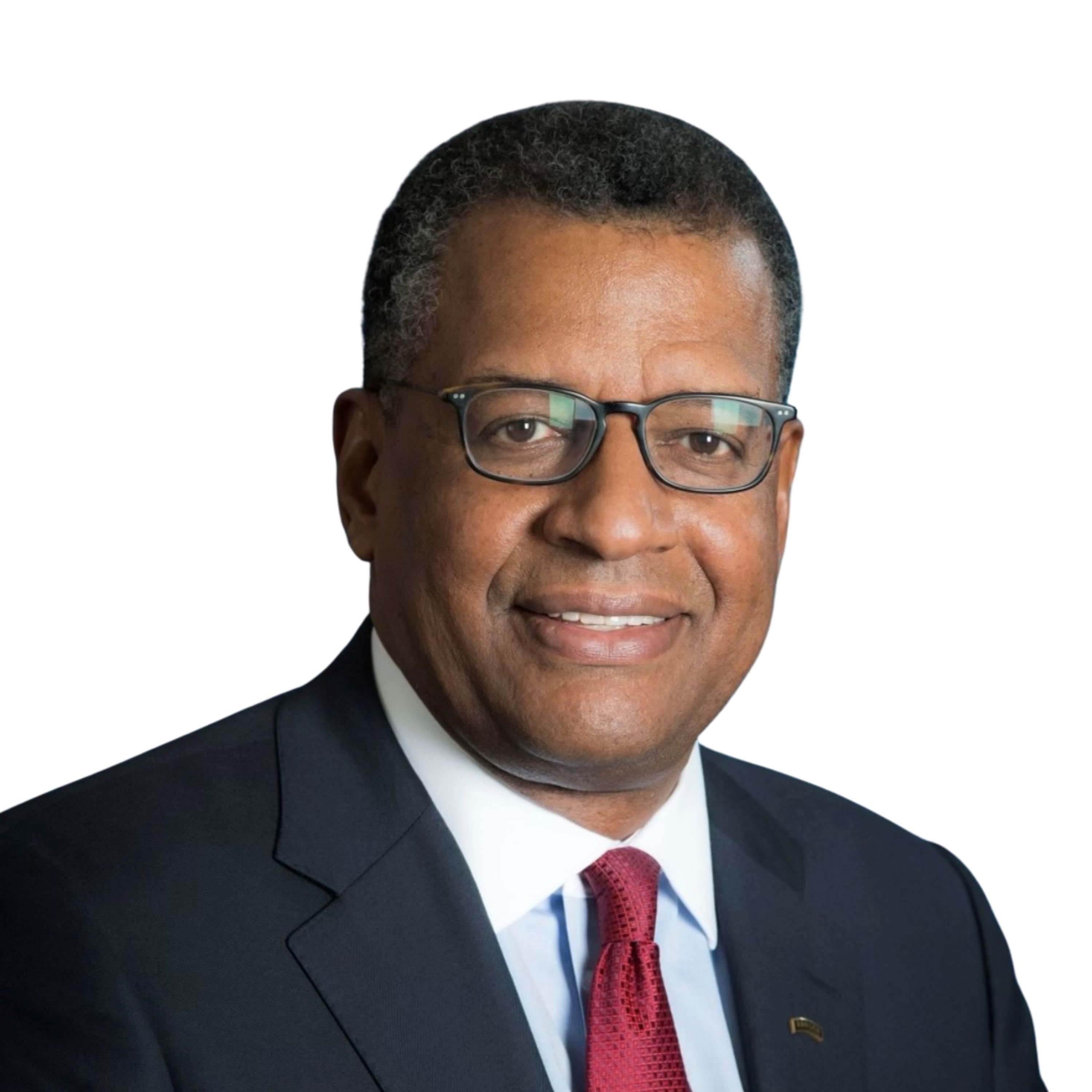
Herman Bulls, a director on the boards of American Red Cross, where he is vice chair; Comfort Systems USA; Fluence Energy, where he is chair; Host Hotels & Resorts; and West Point Association of Graduates, and the 2024 NACD Directorship 100TM Public Company Director of the Year, spoke with Adam Bryant, a senior managing director at The ExCo Group, and David Reimer, CEO of The ExCo Group. In the interview below, they explore the ways in which authentic relationships become the bedrock for navigating challenges and fostering success in the boardroom, as well as the value of using the “golden rule” as a leader to accomplish common goals.
This interview first appeared in Adam Bryant’s LinkedIn series, “The Director’s Chair.”
Reimer: What’s your approach for ensuring that board meetings are as productive as possible?
Bulls: I have an 80/20 rule, which means that we should spend 20 percent of [our] time looking in the rearview mirror to understand how we are performing, and 80 percent of the time should be focused on looking forward. You’ve got to skate to where the puck is going to be, as the saying goes.
I've been on several boards where the board didn't know how to use management and management didn't know how to use the board. But when we are together, you have to accomplish great things during that time. You want to understand what’s working and what’s not working and use those insights to inform your strategy. You have to look ahead and think through the strategy, as well as possible risks, including black swan events.
Bryant: What advice do you share with first-time directors?
Bulls: I’ve been on public boards for about 25 years now. I tell people who are joining their first board that you don’t always need to show people how smart you are. You were asked to join the board for a reason. You have some towering strength, based on your extraordinary knowledge and insight. But that topic is going to be covered in about 15 to 20 percent of the conversation.
Here's your challenge: How do you handle that other 80 to 85 percent of the time in a way that demonstrates your ability? We need leaders everywhere. Leaders do not have to be the loudest person in the room or the one banging on the table. Leadership is the ability to influence a group to accomplish a common goal. Sometimes you do that from the rear, sometimes you do it from the middle, and sometimes you do it as the leader.
Reimer: What were important early influences for you?
Bulls: I'm from Alabama. I was the youngest of seven kids. I never met my dad because he was killed in a farm accident. He was a janitor and farmed on the side, and an 18-wheeler ran into his tractor. My mom was in another part of the county picking cotton at the time. She had six kids and was pregnant with me. She hadn’t finished high school. She worked three jobs and went back to junior college to become a nurse. She was able to provide us with a lower-middle-class upbringing.
Read Bryant’s other recent interviews:
- Jane Sadowsky, NACD.DC®, a director on the boards of Allied Gold Corp., Nexa Resources, and Scientific Games, and an NACD faculty member
- Peter R. Gleason, NACD president and CEO
- R. Eric McCarthey, a veteran leader and director who serves on the boards of Avnir, Hamra Enterprises, and Interra International
- Dorlisa Flur, NACD.DC, a board member of Blue Cross and Blue Shield of North Carolina, Sally Beauty Holdings, and United States Cold Storage
- Deborah Byers, a director on the boards of Civitas Resources, DTE Energy Co., Excelerate Energy, and Kinetik Holdings
In high school, I played quarterback, and I was also president of the student council in a school that was 16 percent Black. How did I swim up that stream, so to speak? I did it by connecting with people, and that includes doing something for people without any regard as to what you’re going to receive in return. When you do that authentically and consistently, you form enduring relationships with people. That is the secret to whatever success I’ve had.
Bryant: You also served in the military. What lessons did you take from that experience that you use today in your work as a director?
Bulls: ‘Mission first, people always’ is a motto that I’ve always identified with. It speaks to the balancing act of leadership of having to achieve your goals while also caring for your people.
One of my officers also ingrained in me the rules that I use with every team I’ve ever led: Be kind. That means playing in the sandbox well; think of others, not just yourself. Use the ‘golden rule,’ and no surprises. If you can do those things, you’ve got a pretty good chance of being successful.
Reimer: In any board, there are going to be power dynamics. How do you make sure you keep those to a minimum and bring everyone into the conversation?
Bulls: The biggest problem I’ve seen when some people become a committee chair is that they feel like they have to do everything, including solving everybody’s problems. Instead, you need to teach people how to solve problems so that you can have a sustainable organization.
When I chair a committee, I make sure I keep everyone involved. When we're discussing an issue, I set the issue up, but then I will be the last person to speak. And I will ask questions in a way that might make you think I'm leaning one way even though I'm actually leaning the other way. The role of the chair in those situations is to make sure all the alternatives are considered with constructive skepticism.
Bryant: What are some of the X factors you’re looking for in CEOs today? If you were interviewing a CEO candidate, what questions would you ask?
Bulls: I ask people to tell me something they failed at or a mistake they made. That can be a very revealing question if they answer it honestly. Related to that, I’ll ask them to share a time when they didn’t make the right decision. How did they articulate that to their team? You’re looking for humility and empathy. You don’t want someone in that role who feels that they always have to be right.
I’ll also ask them to tell me about something they did that was just fantastic. What was their role in it, and how did the team react to it?
Reimer: What do you consider to be the hardest part of leadership?
Bulls: The hardest part of leadership is the balancing act of being demanding while also maintaining a relationship with people. I often see younger leaders struggle because they want to be liked. What I tell them is that it’s more important for leaders to be respected and making sure that people are performing to your standards.