
Ask the Experts: Committee Outlook 2026
Spring 2026 Edition
Archive


NACD Texas TriCities
Contact Us
Email:
programs@texastricities.nacdonline.org
Phone:
346-250-2802
Jenn Cox
Executive Director
Mya Risner
Director of Marketing, Partnerships & Engagement
Chennya Lister
Chapter Administrator
Find a Chapter
About The Event
Virtual | March 5, 2026 | 9:00 AM - 10:15 AM CST
On March 5, 2026, we gathered virtually for our Ask the Experts: Committee Outlook 2026 program, where senior advisors from Baker Botts, Egon Zehnder, KPMG, and Meridian Compensation Partners, joined for a candid, practical conversation on what nominating and governance, audit, and compensation committees need to prioritize in the year ahead. Against a backdrop of volatility, regulatory flux, and accelerating technological change, experts shared what is keeping committee chairs up at night and what boards can do now to stay ahead of it.
The discussion examined how the three standing committees are navigating an environment where the pace of change is outrunning traditional governance structures. From board composition and shareholder activism to AI oversight and incentive plan design, participants walked away with actionable frameworks and sharper questions to bring back to their committees.
Key Topics Covered
Nominating and Governance Committee
- Board Composition for an Uncertain Future: How boards are shifting from episodic recruitment to evergreen succession planning, with surging demand for active executives who bring forward-looking adaptability over accumulated experience.
- The Technology Director Debate: Why cyber expertise is now a baseline education requirement for every director, and what boards actually want in a technology director today.
- Board Evaluation as Defense and Discipline: Why formal third-party board evaluations have become a governance necessity, and what activists are doing with boards that skip them.
- Activism and Crisis Preparedness: How break glass plans, tabletop exercises, and outside advisors are being used to prepare boards before an incident, not during one.
- The Redomiciliation Conversation: What directors need to understand about the competition between Delaware, Nevada, and Texas and what is at stake for boards.
- CEO Succession: Why board-owned, strategy-driven succession planning produces better outcomes than delegating the process to the CEO.
Audit Committee
- The SEC's Shifting Disclosure Philosophy: What Chair Atkins's principles-based materiality approach means for audit committees, including the future of quarterly reporting and climate disclosure.
- AI Oversight Belongs to the Full Board: Why no single committee can own AI oversight entirely, and how boards are beginning to restructure responsibilities accordingly.
- The Bandwidth Problem: Why the three-committee structure may no longer be fit for purpose, and what options boards have when the audit committee is carrying too much.
Compensation Committee
- Incentive Plans Under Pressure: How committees are adapting goal design, building in more judgment, and monitoring plan performance through volatility rather than reacting at year end.
- Proxy Advisory Disruption: What the declining influence of ISS and Glass Lewis means for how boards engage investors directly on compensation decisions.
- Peer Group Selection Under M&A Pressure: How consolidation is forcing committees to expand their competitive market definition and exercise more independent judgment on pay.
Cross-Committee
- The Evolving Role of the Board in the Age of AI: How AI is changing not just what boards oversee but how they govern, and why judgment and adaptability are becoming the defining board competencies.
Key Takeaways
Nominating and Governance Committee
- Recruit for where the organization is going, not where it has been. Adaptability now commands a premium over experience.
- Formalize your board evaluation process before an activist uses board effectiveness as a point of attack.
- Every director should know their role in a crisis before one happens. Tabletop exercises surface gaps you do not want to discover under pressure.
- Own CEO succession at the board level. The board should be able to answer right now who steps in tomorrow if they have to.
Audit Committee
- Build in regular briefings on the regulatory landscape, not just the financials. Disclosure rules are in flux and the audit committee needs to keep pace.
- Ask honestly whether the current committee structure is still fit for purpose. If the audit committee is overloaded and under-resourced, that is a governance risk.
Compensation Committee
- Consistent process is your best defense in volatility. Committees that monitor plans throughout the year and document their rationale are better positioned when outcomes disappoint.
- Know what your investors actually think, not just what ISS says. Direct engagement is now the foundation of compensation governance.
- Get comfortable exercising independent judgment. There is no perfect peer group and no formula that fits every situation.
Cross-Committee
- Agility and judgment are now board competencies. The boards that navigate this period best will not be those with the most experience. They will be the ones that adapt quickly and decide with conviction.

Program Videos
Program Resources
NACD: 2026 Governance Outlook
BAKER BOTTS: Corporate Governance Field Guide - Board Communications
EGON ZEHNDER: Boards at the Right Altitude: Governing for Growth in Uncertainty
KPMG: On the 2026 Audit Committee Agenda
MERIDIAN COMPENSATION PARTNERS: What do Recent Challenges to Proxy Advisor Influence Mean for Public Company Compensation?
Panelists
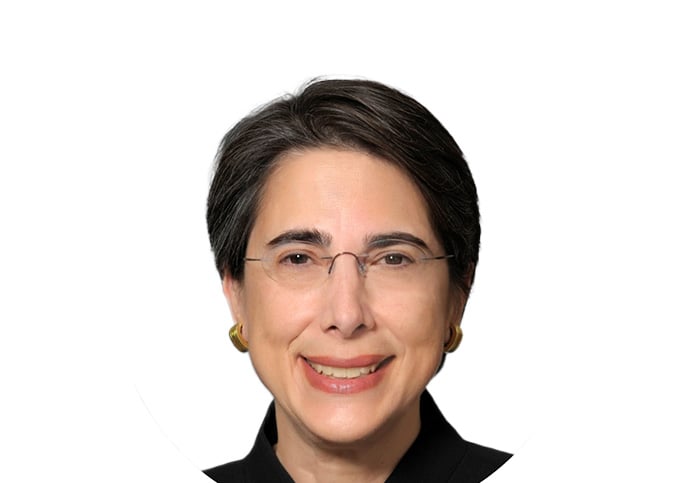
Claudia H. Allen

David Bixby

Heather O'Keefe

Dennis Whalen, NACD.DC

Travis Wofford
NACD Texas TriCities
Contact Us
Email:
programs@texastricities.nacdonline.org
Phone:
346-250-2802
Jenn Cox
Executive Director
Mya Risner
Director of Marketing, Partnerships & Engagement
Chennya Lister
Chapter Administrator
Find a Chapter
By registering for an NACD or NACD Chapter Network event, you agree to the following Code of Conduct.
| NACD and the NACD Chapter Network organizations (NACD) are non-partisan, nonprofit organizations dedicated to providing directors with the opportunity to discuss timely governance oversight practices. The views of the speakers and audience are their own and do not necessarily reflect the views of NACD. |