

Lessons from High-Performing Sports Teams:
Leadership Reflections from On the Field and Around the Board Table
Archive


NACD Northern California
Contact Us
Lisa Spivey,
Executive Director
Kate Azima,
Director of Partnerships & Marketing
programs@northerncalifornia.nacdonline.org
Find a Chapter
About The Event
In an off-the-record conversation moderated by Robyn Bew, a select group of directors joined sports leaders Steven Aldrich, Woodie Dixon Jr., Sandra E. Lopez, and Roscoe Mapps to explore what high-pressure performance environments can teach board leaders about culture, accountability, and resilience. Drawing on their experiences guiding major sports organizations, including the Golden State Warriors, San Francisco Giants, Sport Integrity Global Alliance, and Oakland Roots, the speakers outlined how winning cultures are built and how directors can navigate emerging challenges in today’s governance landscape. Find some of the key takeaways captured by our partner EY below.
KEY TAKEAWAYS
Culture and intentionality:
- Understanding the organization’s purpose and “North Star” is foundational for companies and professional sports teams. Framing purpose around customer or fan experience (vs. hitting revenue or win/loss targets) sends a powerful message to employees as well as other stakeholders. Setting expectations that community engagement is part of the job for all leaders and top performers sends a similar tone from the top message.
- The culture of decision-making is different in founder/owner-led organizations (and similarly, family-owned).
Succession planning:
- Board members need to remember that no one is a star player forever: boards add significant value when they make thoughtful decisions about having the right leader at the right time – and also knowing when it’s time to move talent on.
- In the case of CEOs, there’s a tension between normalizing the succession conversation by starting it “on day one” and also understanding that new CEOs, particularly internal hires who by definition are first-time CEOs, need a sense of security from their board. Good boards do both things. Directors can position the conversation about setting performance expectations, and how the board will support the CEO in meeting and exceeding those expectations, as well as ultimately leaving a legacy of success, which includes planning for a smooth leadership transition.
- The skills boards are looking for in CEOs and other senior leaders are shifting from what they were in years past. There’s increasing importance being placed on criteria including: emotional intelligence; the ability to inspire/create followership; the ability to adapt, comfort with change and uncertainty; and the desire to embrace emerging technologies like AI (including adopting AI personally, and being transparent with the organization about their own AI learning journey/leading by example).
Staying consistent with demonstrating the values of the organization in a changing political climate:
- The actions of leading companies and winning teams have influence in the public sphere.
- Companies and boards are implementing strategies to ensure compliance with new regulatory standards while maintaining inclusive workplaces that provide equity of opportunity and encourage all employees to bring their unique perspectives and backgrounds to work and achieve their full potential.
- Recognizing there’s no one-size-fits-all, it’s worth reflecting on the implications of staying the course on actions and programs while changing terminology and references, and the point at which changing or removing words becomes an action in and of itself.
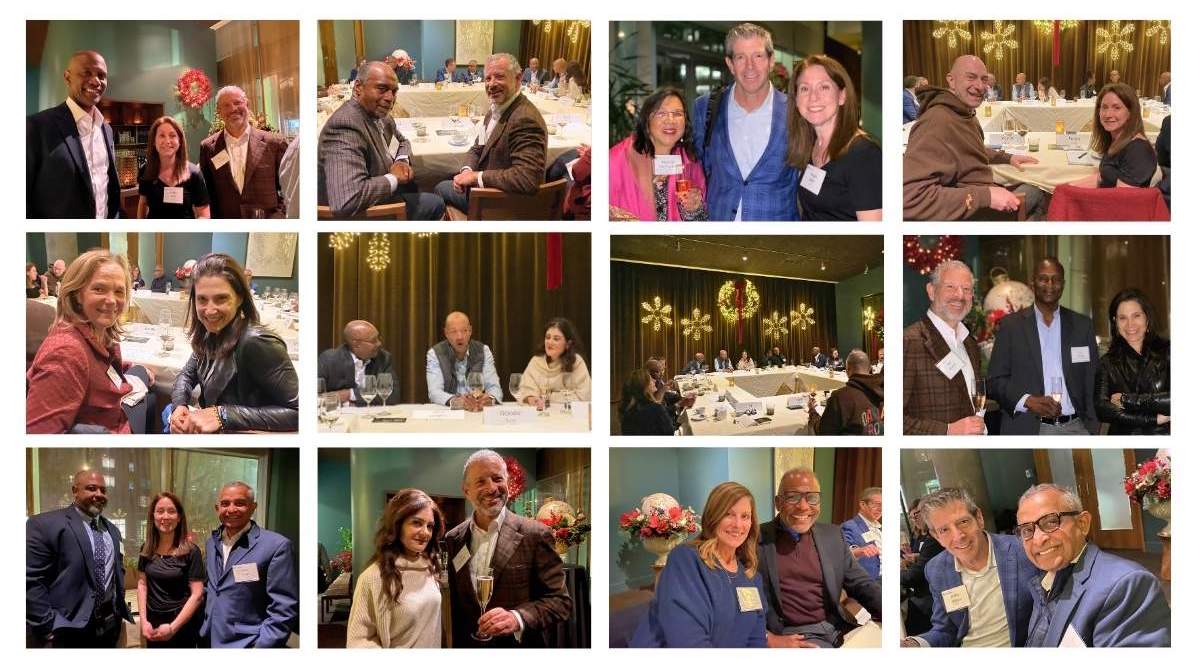
Thank you to our partner for making this event possible.
NACD Northern California
Contact Us
Lisa Spivey,
Executive Director
Kate Azima,
Director of Partnerships & Marketing
programs@northerncalifornia.nacdonline.org
Find a Chapter
Final Days to Save $1,500
on NACD Directors Summit™
2026 Registration
Register by Thursday, April 30 to take advantage of this exclusive discounted pricing.
October 11-14, 2026
The Gaylord National Harbor | Washington, DC Area
By registering for an NACD or NACD Chapter Network event, you agree to the following Code of Conduct.
| NACD and the NACD Chapter Network organizations (NACD) are non-partisan, nonprofit organizations dedicated to providing directors with the opportunity to discuss timely governance oversight practices. The views of the speakers and audience are their own and do not necessarily reflect the views of NACD. |